
Occoquan in Prince William County, Virginia — The American South (Mid-Atlantic)
The Dogue Indians
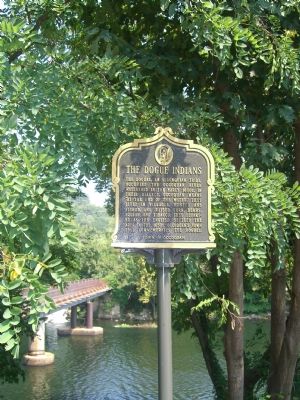
Photographed by Kevin White, September 6, 2007
1. The Dogue Indians Marker
Topics and series. This historical marker is listed in these topic lists: Agriculture • Colonial Era • Indigenous Peoples and Communities. In addition, it is included in the Virginia, Historic Occoquan series list.
Location. 38° 41.14′ N, 77° 15.751′ W. Marker is in Occoquan, Virginia, in Prince William County. It is on Mill Street, on the right when traveling west. Touch for map. Marker is in this post office area: Occoquan VA 22125, United States of America. Touch for directions.

Regionally, this marker is in the Washington Metropolitan Area, in Northern Virginia, and in the Piedmont. It is also in the American South, specifically in the Upper South, in the Mid-Atlantic, and on the Eastern Seaboard.
this page online
Other nearby markers. At least 8 other markers are within walking distance of this marker: Historic Occoquan (a few steps from this marker); Occoquan River Bridges (a few steps from this marker); Economic Development in Occoquan and its Dependence on Enslaved Peoples (a few steps from this marker); Town of Occoquan (a few steps from this marker); The Road to Yorktown (a few steps from this marker); a different marker also named Historic Occoquan (within shouting distance of this marker); Gearwheel Assembly (within shouting distance of this marker); a different marker also named Historic Occoquan (within shouting distance of this marker). Touch for a list and map of all markers in Occoquan.
Additional commentary.
1. The Dogue Indians Before Fort Belvoir
My native Dogue family name was Beavers. Mason Neck
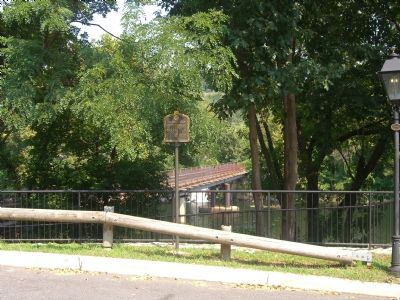
Photographed by Kevin White, September 6, 2007
2. The Dogue Indians Marker
The Occoquan River and foot bridge are in the background.
— Submitted January 14, 2012, by Carl Blanchard of Spotsyvannia, Fredericksburg,va.
Credits. This page was last revised on June 16, 2016. It was originally submitted on September 9, 2007, by Kevin W. of Stafford, Virginia. This page has been viewed 4,284 times since then and 58 times this year. Photos: 1, 2. submitted on September 9, 2007, by Kevin W. of Stafford, Virginia. • J. J. Prats was the editor who published this page.
