Waterloo in Seneca County, New York — The American Northeast (Mid-Atlantic)
Waterloo 1795 - 1927
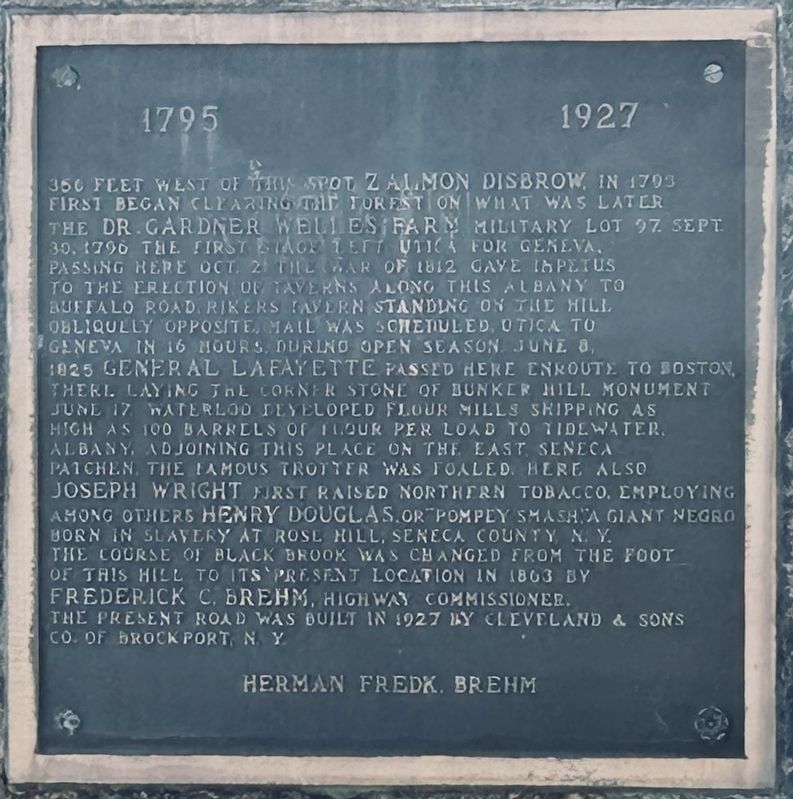
Photographed by Susan A. Dalaba, August 16, 2025
1. Waterloo 1795 - 1927 Marker
this page online
Topics and series. This historical marker is listed in these topic lists: Agriculture • Roads & Vehicles • Settlements & Settlers • Waterways & Vessels. In addition, it is included in the Lafayette’s Farewell Tour series list. A significant historical year for this entry is 1795.
Location. 42° 54.145′ N, 76° 52.878′ W. Marker is in Waterloo, New York, in Seneca County. It is on Waterloo Geneva Road (New York State Route 5 & 20), on the left when traveling west. Touch for map. Marker is at or near this postal address: 1255 Waterloo Geneva Road, Waterloo NY 13165, United States of America. Touch for directions.

Regionally, this marker is in Upstate New York, specifically in Western New York, and in the Finger Lakes. It is also in the American Northeast and in the Mid-Atlantic. Globally, it is in North America, the Western Hemisphere, the Western World, and the Anglosphere. Historically, it finds itself in what was once the Haudenosaunee (Iroquois) Confederacy, New Netherland, and one of the original Thirteen Colonies.
Other nearby markers. At least 8 other markers are within walking distance
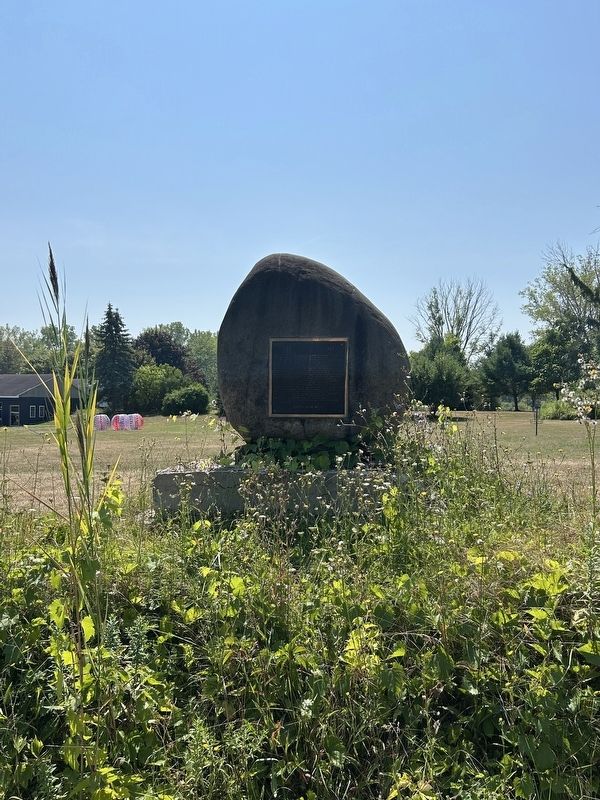
Photographed by Susan A. Dalaba, August 16, 2025
2. Waterloo 1795 - 1927 Marker
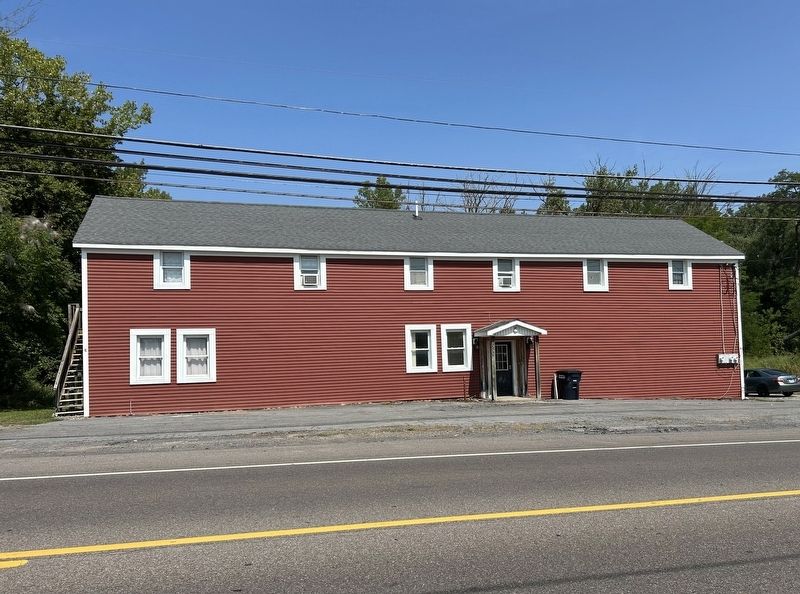
Photographed by Susan A. Dalaba, August 16, 2025
3. Building across from Waterloo 1795 - 1927 Marker
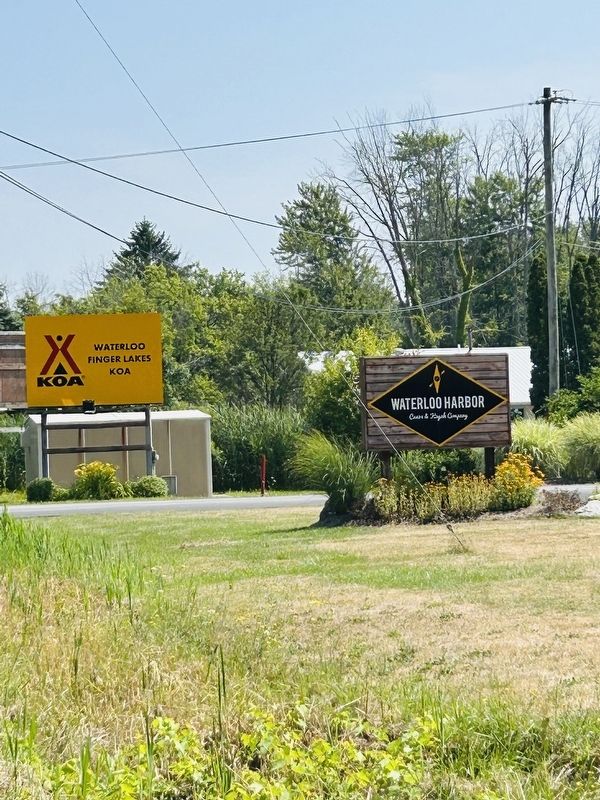
Photographed by Susan A. Dalaba, August 16, 2025
4. KOA is near the Waterloo 1795 - 1927 Marker
Credits. This page was last revised on August 19, 2025. It was originally submitted on August 18, 2025, by Susan A. Dalaba of Cortland, New York. This page has been viewed 94 times since then and 18 times this year. Photos: 1, 2, 3, 4. submitted on August 18, 2025, by Susan A. Dalaba of Cortland, New York. • Andrew Ruppenstein was the editor who published this page.
