Delta in Delta County, Colorado — The American Mountains (Southwest)
Old Spanish National Historic Trail
North Branch 1239-1848
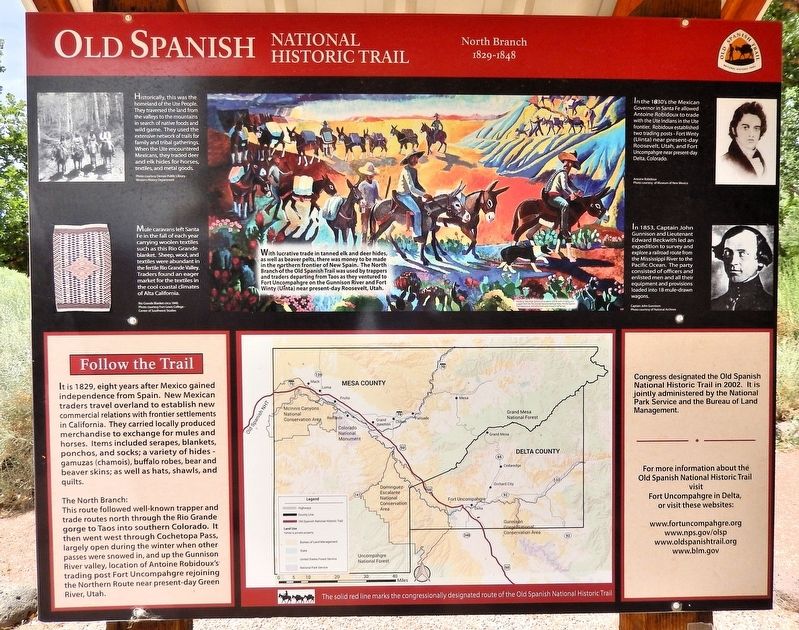
Photographed by Cosmos Mariner, July 19, 2025
1. Old Spanish National Historic Trail Marker
Follow the Trail
It is 1829, eight years after Mexico gained independence from Spain. New Mexican traders travel overland to establish new commercial relations with frontier settlements in California. They carried locally produced merchandise to exchange for mules and horses. Items included serapes, blankets, ponchos, and socks; a variety of hides - gamuzas (chamois), buffalo robes, bear and beaver skins; as well as hats, shawls, and quilts.
The North Branch:
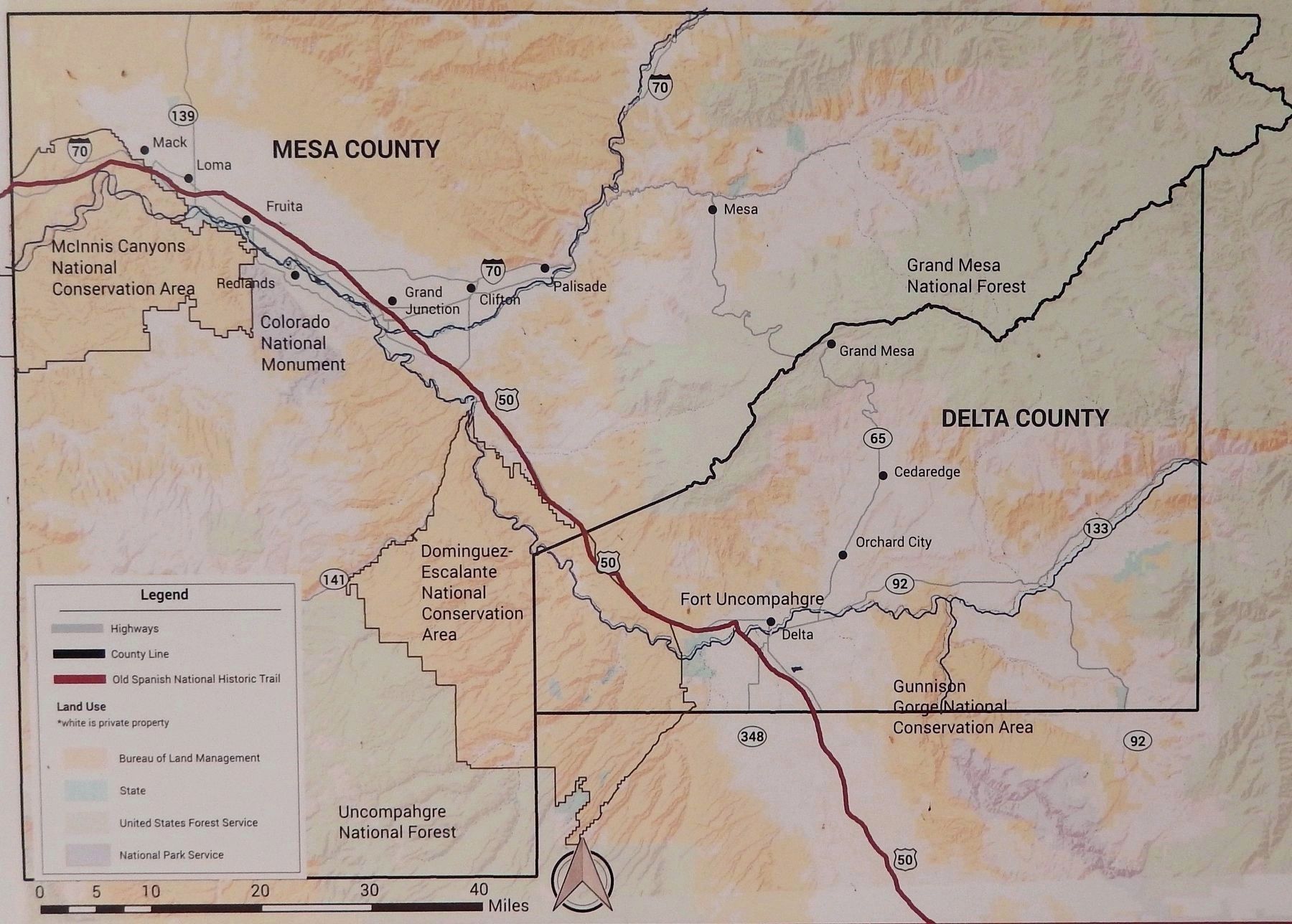
This route followed well-known trapper and trade routes north through the Rio Grande gorge to Taos into southern Colorado. It then went west through Cochetopa Pass, largely open during the winter when other passes were snowed in, and up the Gunnison River valley, location of Antoine Robidoux's trading post Fort Uncompahgre rejoining the Northern Route near present-day Green River, Utah.
Congress designated the Old Spanish National Historic Trail in 2002. It is jointly administered by the National Park Service and the Bureau of Land Management.
For more information about the Old Spanish National Historic Trail visit Fort Uncompahgre in Delta, or visit these websites:
www.fortuncompahgre.org
www.nps.gov/olsp
www.oldspanishtrail.org
www.blm.gov
[photo & image captions]
•
this page online
• Historically, this was the homeland of the Ute People. They traversed the land from the valleys to the mountains in search of native foods and wild game. They used the extensive network of trails for family and tribal gatherings. When the Ute encountered Mexicans, they traded deer and elk hides for horses, textiles, and metal goods.
• Mule caravans left Santa Fe in the fall of each year carrying woolen textiles such as this Rio Grande blanket. Sheep, wool, and textiles were abundant in the fertile Rio Grande Valley. Traders found an eager market for the textiles in the cool coastal climates of Alta California.
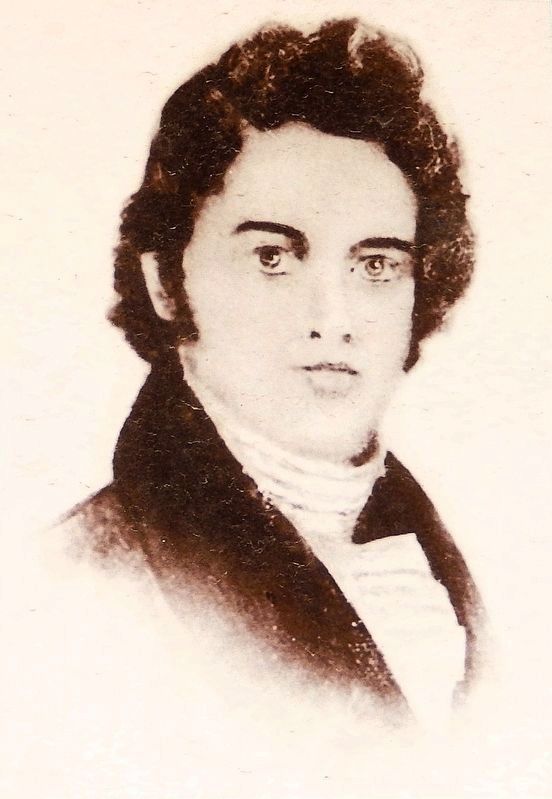
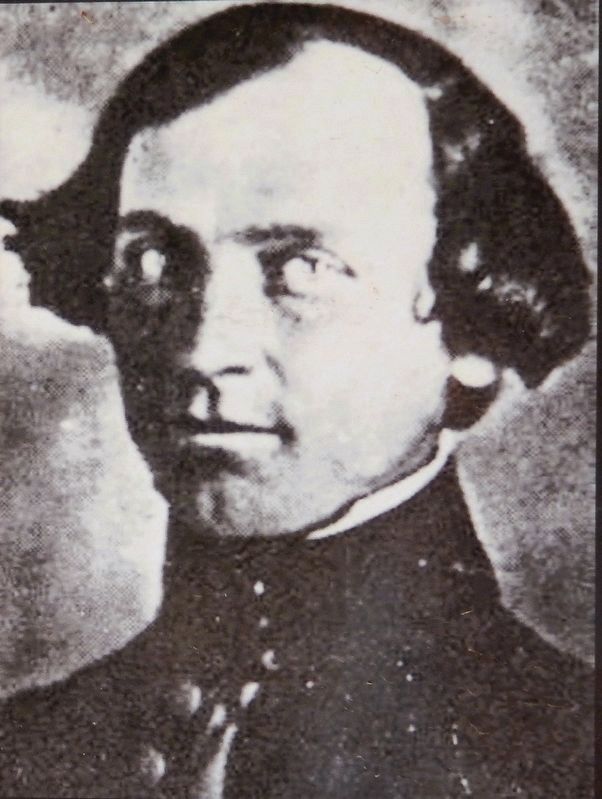
• In the 1830’s the Mexican Governor in Santa Fe allowed Antoine Robidoux to trade with the Ute Indians in the Ute frontier. Robidoux established two trading posts — Fort Winty
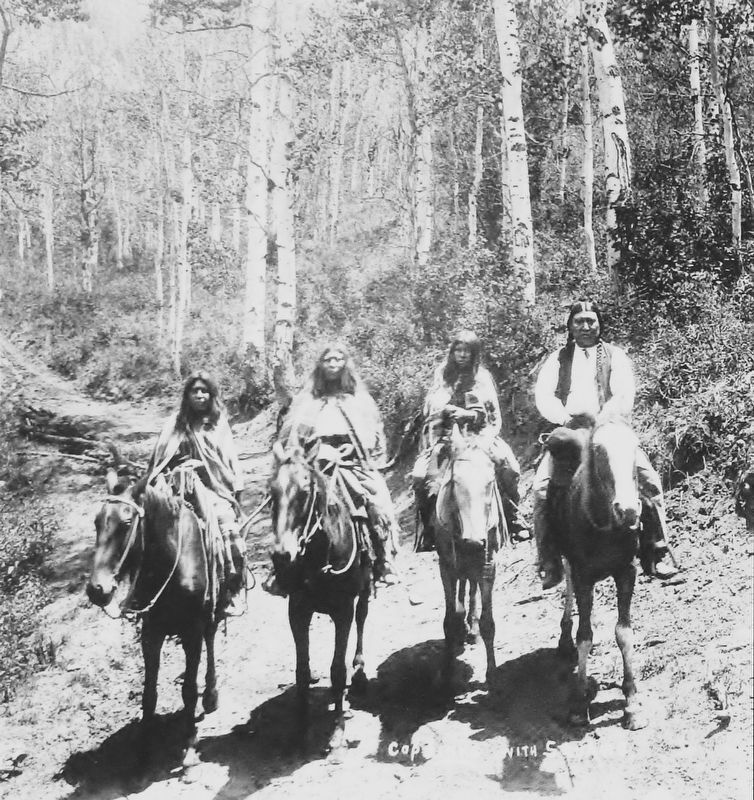
Denver Public Library, Western History Department
2. Marker detail: Ute People on Horseback
• In 1853, Captain John Gunnison and Lieutenant Edward Beckwith led an expedition to survey and explore a railroad route from the Mississippi River to the Pacific Ocean. The party consisted of officers and enlisted men and all their equipment and provisions loaded into 18 mule-drawn wagons.
Topics and series. This historical marker is listed in these topic lists: Hispanic Americans • Indigenous Peoples and Communities • Industry & Commerce • Roads & Vehicles. In addition, it is included in the Old Spanish National Trail series list. A significant historical year for this entry is 1829.
Location. 38° 44.963′ N, 108° 4.417′ W. Marker is in Delta, Colorado, in Delta County. It can be reached from Gunnison River Drive (North Palmer Street) 0.3 miles west of U.S. 50. The marker is near the parking lot and entrance to the Fort Uncompahgre Interpretive Center. Touch for map. Marker is at or near this postal address: 330 Gunnison River Drive, Delta CO 81416, United States of America. Touch for directions.

Regionally, this marker is in
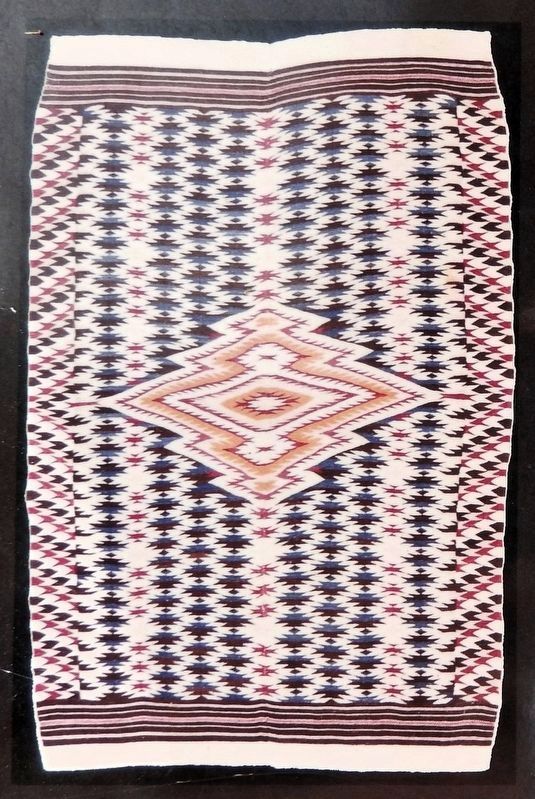
Courtesy Fort Lewis College, Center of Southwest Studies
3. Marker detail: Rio Grande Blanket circa 1840
Other nearby markers. At least 8 other markers are within walking distance of this marker: Historic Fort Uncompahgre (a few steps from this marker); Fort Uncompahgre (within shouting distance of this marker); This is Ute Country (within shouting distance of this marker); The Tipi and the Wickiup (within shouting distance of this marker); The Ute Council Tree (within shouting distance of this marker); Western Slope Agriculture / Delta County (within shouting distance of this marker); “Modern” Ferry (about 500 feet away, measured in a direct line); a different marker also named Ute Council Tree (approx. 0.4 miles away). Touch for a list and map of all markers in Delta.
Also see . . .
1. Old Spanish Trail (Wikipedia).
Excerpt: The Old Spanish Trail is a historic trade route that connected the Nuevo México settlements of (or near) Santa(Submitted on January 2, 2026, by Cosmos Mariner of Cape Canaveral, Florida.)Fe with those of Los Angeles and the rest of Alta California. The trail ran through areas of high mountains, arid deserts, and deep canyons. Explored, in part, by Spanish explorers as early as the late 16th century, the trail was extensively used by traders with pack trains from about 1830 until the mid-1850s. The area was part of Mexico from Mexican independence in 1821 to the Mexican Cession to the United States in 1848. The trail is important to New Mexico history because it established an arduous but usable trade route with California.Courtesy Museum of New Mexico4. Marker detail: Antoine Robidoux
2. Old Spanish Trail Association.
Excerpt: The Old Spanish Trail has been called the most arduous and difficult trail in the United States. With Native American historical roots, the trail was used by the adventurous and opportunists bringing textiles from Santa Fe to trade for mules and horses in Los Angeles beginning in the early 1800s. Spanning more than 2,700 miles, parts of the trail were used by fur trappers and later by railroad and military surveyors.(Submitted on January 2, 2026, by Cosmos Mariner of Cape Canaveral, Florida.)
National Archives
5. Marker detail: Captain John Gunnison
6. Marker detail: The Old Spanish National Historic Trail
The solid red line marks the congressionally designated route of the Old Spanish National Historic Trail through Delta County and Mesa County Colorado.
Photographed by Cosmos Mariner, July 19, 2025
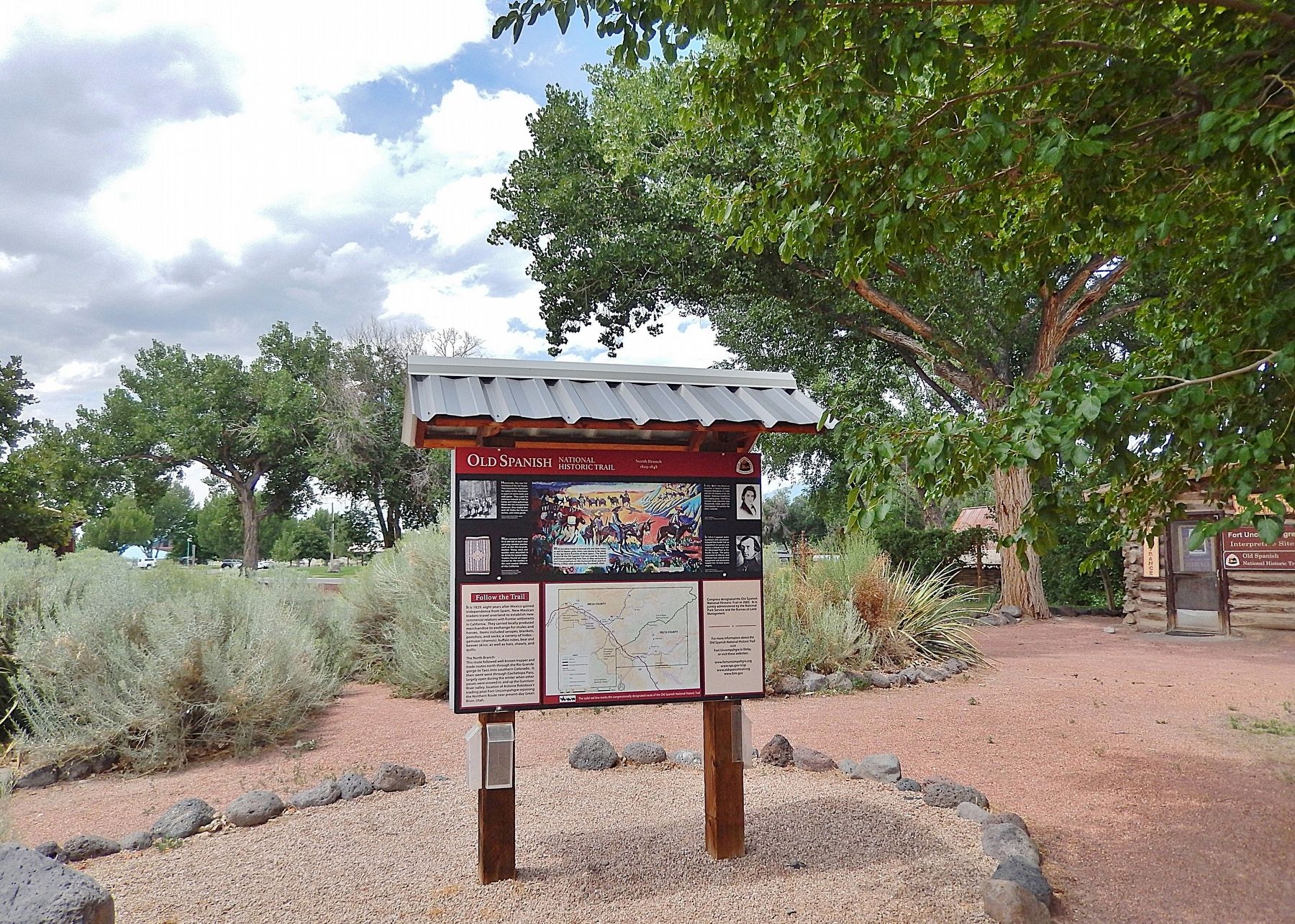
7. Old Spanish National Historic Trail Marker
The Fort Uncompahgre Interpretive Center is in the background.
Credits. This page was last revised on January 2, 2026. It was originally submitted on December 31, 2025, by Cosmos Mariner of Cape Canaveral, Florida. This page has been viewed 79 times since then and 78 times this year. Photos: 1, 2, 3, 4, 5, 6, 7. submitted on January 2, 2026, by Cosmos Mariner of Cape Canaveral, Florida.
