THE HISTORICAL
MARKER DATABASE
“Bite-Size Bits of Local, National, and Global History”


674 entries match your criteria. The first 100 are listed.                                               Next 100 ⊳


Quakerism Historical Markers

This series is on the history of Quakers (The Religious Society of Friends), including notable Meeting Houses, burial grounds, individuals, settlements and schools. This series is not about things named after Quakers but are not related to Quakerism, such as Quaker State Oil or Quaker Oats.
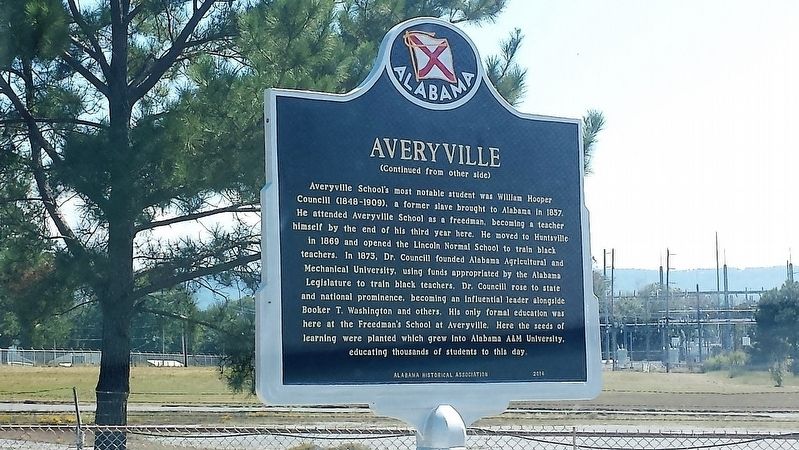
 
By Karen Emerson-McPeak, September 26, 2017
Averyville Marker
1 ► Alabama, Jackson County, Stevenson — Averyville —

During the Reconstruction Period following the Civil War, a freedmen’s community was established in this area called Averyville, named for the Pennsylvania minister and successful businessman Charles Avery, a longtime and faithful champion of Negro . . . — — Map (db m108803) HM
2 ► Alabama, Limestone County, Capshaw — Nicholas Davis —
Born April 23, 1781 in Hanover Co. Virginia, married there to Martha Hargrave of a wealthy Quaker family. He served as U.S. Marshall and in other positions. Moved to Kentucky in 1808. Was a Captain in the War of 1812 and became a political . . . — — Map (db m29284) HM
3 ► Arkansas, Phillips County, Helena — Answering a Call for Help —
Disease, death, the practice of separating slave families—all left children with no one to care for them. Scores of orphaned black children in Civil War Helena suffered from neglect and exposure. General Napoleon Buford asked for help. In . . . — — Map (db m107999) HM
4 ► Delaware, Kent County, Camden, Camden Wyoming — John Hunn — 1814 - 1894 — Quaker Abolitionist —
Chief engineer of the Underground Rail Road in the State of Del. and the richest man in Del. He was convicted and fined in 1846 by the U.S. Dist. Court, later he was fined twice for $10,000.00 each by Del. but was advised the fines wouldn't be . . . — — Map (db m294630) HM
5 ► Delaware, Kent County, Camden, North Murderkill Hundred — KC-41 — Camden —
Founded 1783 on the tract “Brecknock” by Daniel Mifflin and settled largely by Quakers. Once called Piccadilly and Mifflins Cross Roads. Incorporated 1852, it was a center of anti-slavery sentiment. Several homes were by tradition stops on the . . . — — Map (db m168332) HM
6 ► Delaware, Kent County, Camden, North Murderkill Hundred — KC-73 — Camden Friends Meeting — Burial Place of John Hunn —
This house of worship, built in 1805, was first a Preparative Meeting under the care of Motherkiln (Murderkill) Monthly Meeting of the Religious Society of Friends (Quakers). In 1830, Camden Monthly Meeting was formed by uniting with Motherkiln and . . . — — Map (db m39513) HM
7 ► Delaware, Kent County, Camden, North Murderkill Hundred — K-50 — Star Hill A.M.E. Church —
By the end of the 18th century this area was home to a large number of African Americans, many of them freed slaves. Their settlement was largely due to the efforts of local Quakers. A congregation of the African Methodist Episcopal Church was . . . — — Map (db m39605) HM
8 ► Delaware, Kent County, Magnolia, South Murderkill Hundred — KC-90 — Murderkill / Motherkiln Friends Meeting — Reported permanently removed
Quakers were gathering for worship in this area by 1712, when members of the Religious Society of Friends met "at the widow Needham's at Murderkill Creek." Established as Motherkiln Preparative Meeting (under the care of Duck Creek Meeting), the . . . — — Map (db m39459) HM
Paid Advertisement
9 ► Delaware, Kent County, Magnolia, South Murderkill Hundred — KC-90 — Murderkill/Motherkiln Friends Meeting —
By 1712, Quakers of the Religious Society of Friends met "at the widow Needham's at Murderkill Creek," later establishing as Motherkiln Preparative Meeting. Circa 1760, a meetinghouse was constructed on this site. The structure burned soon . . . — — Map (db m282792) HM
10 ► Delaware, Kent County, Magnolia, South Murderkill Hundred — KC-91 — Warner Mifflin — 1745 - 1798 — Reported permanently removed
A native of Virginia's Eastern Shore, Mifflin came to Delaware as a young man. Born into a slaveholding Quaker family, he manumitted his own slaves in 1774-75 and later became one of America's foremost abolitionists of the 18th century. As an elder . . . — — Map (db m39456) HM
11 ► Delaware, Kent County, Magnolia, South Murderkill Hundred — KC-91 — Warner Mifflin 1745-1798 —
Born into a slaveholding Quaker family in Virginia and later becoming an abolitionist. Warner Mifflin came to Delaware as a young man. An elder of the Religious Society of Friends, he traveled extensively to convince others to free their slaves, . . . — — Map (db m282793) HM
12 ► Delaware, Kent County, Smyrna, Duck Creek Hundred — Site of the Duck Creek Society of Friends —
The first religious organization to hold services in Duck Creek Hundred - 1705. Property transferred to Duck Creek Historical Society - 1962. Michael Desmond, Jr's Eagle Scout Restoration Project - 2002. — — Map (db m39711) HM
13 ► Delaware, New Castle County, Hockessin, Mill Creek Hundred — NC-198 — Hockessin Friends Meetinghouse —
The Hockessin Friends Meeting has operated with an active membership and regular services, known as Meetings for Worship, since its founding. The Meeting is part of the larger Philadelphia Yearly Meeting faith community. The expansion of the . . . — — Map (db m92144) HM
14 ► Delaware, New Castle County, Newark, Iron Hill Park — Ninety Years Recording the Black Population of Pencader Hundred: The U.S. Census — Iron Hill Museum & Science Center — Delaware Academy of Science —
1800
Total Pencader Population: 2,132 100% Number of Free Black Residents in Pencader:201 9% of Total Population Number of Free Black Persons Living in Free Blk. . . . — — Map (db m238418) HM
15 ► Delaware, New Castle County, Newport, Christiana Hundred — NC-96 — Ashley Mansion —
Ashton Richardson built Ashley Mansion in 1804 on land he inherited from his father. A prominent Quaker, Ashton Richardson owned several milling operations and was considered one of the most eligible bachelors in the area. After marrying in 1807, . . . — — Map (db m196413) HM
16 ► Delaware, New Castle County, Odessa, Saint George's Hundred — NC-90 — Appoquinimink Friends Meeting House —
Believed to be one of the smallest Quaker Meeting Houses in the nation, the Appoquinimink Friends Meeting House was built in 1785 by David Wilson and presented to the Friends as a gift. Local tradition identifies this structure as a stop on the . . . — — Map (db m269792) HM
17 ► Delaware, New Castle County, Wilmington — NC-5 — Newark Union —
Successor to Newark Monthly Meeting of Friends. Established about 1682. Early meetings held at Morgan Dewit's and at Valentine Hollingsworth's. Named from plantation called New Wark or New Worke patented to Hollingsworth, who in 1687 donated . . . — — Map (db m260250) HM
Paid Advertisement
18 ► Delaware, New Castle County, Wilmington — NC-150 — Old Town Hall —
The construction of Town Hall began in 1798. Completed the following year, this was the first structure in Wilmington built for government use. It was designed by a building committee which followed the Borough Council’s request that the structure . . . — — Map (db m165578) HM
19 ► Delaware, New Castle County, Wilmington, Alapocas — NC-102 — Wilmington Friends School —
The oldest existing school in Delaware, Wilmington Friends was founded in 1748. It resided in the first meeting house of the Wilmington Meeting of the Religious Society of Friends (Quakers) at Fourth and West Streets, which had been built ten . . . — — Map (db m140064) HM
20 ► Delaware, New Castle County, Wilmington, Alapocas Run State Park — A Family Company —
Not Just Workers, But Family For as long as this was a family business, workers at Bancroft Mills were treated as members of the family. Long before workers had any rights, Joseph Bancroft and his sons provided decent wages and benefits not . . . — — Map (db m240816) HM
21 ► Delaware, New Castle County, Wilmington, Alapocas Run State Park — Joseph Bancroft and His Legacy —
Bancroft Mills became a leading manufacturer through one family's business sense and Quaker values. The Founder Joseph Bancroft was both a devout Quaker and a wise businessman. By keeping his company up-to-date on new trends and . . . — — Map (db m240759) HM
22 ► Delaware, New Castle County, Wilmington, Compton Village — Wilmington Historic Trail —
This Historic Trail links the historical, social, and cultural patterns of development in Wilmington. The commercial and residential structures along this trail recreate the vitality and historic importance of 17th and 18th-century Wilmington. The . . . — — Map (db m130469) HM
23 ► Delaware, New Castle County, Wilmington, Quaker Hill — NC-76 — Meeting House 1816 — Religious Society of Friends —
Grew from New-Wark Meeting established 1682. Present house is third in this vicinity. Friends School begun here in 1748 has operated continuously. Among 3,000 buried in yard are founders of Wilmington, John Dickinson, "Penman of the Revolution," and . . . — — Map (db m10943) HM
24 ► Delaware, New Castle County, Wilmington, Quaker Hill — NC-88 — Thomas Garrett — Stationmaster on the Underground Railroad —
Born August 21, 1789, in Upper Darby, Pennsylvania, Garrett came to Wilmington in 1822. A prominent merchant, his home and business were located nearby on Shipley Street. Garrett was committed to the anti-slavery efforts of his Quaker faith. He is . . . — — Map (db m67356) HM
25 ► Delaware, New Castle County, Wilmington, Quaker Hill — NC-125 — Wilmington Friends Meeting — Burial Place of Thomas Garrett —
The first Meeting House on this site was built in 1738. It was replaced in 1748 when a larger building was constructed. The old Meeting House was then converted into a school. Known as Wilmington Friends School, it was relocated to a new facility in . . . — — Map (db m10941) HM
26 ► Delaware, New Castle County, Wilmington, Quaker Hill — Woodward Houses — 701-703 North West Street —
This property has been placed on the National Register of Historic Places by the United States Department of the Interior — — Map (db m244832) HM
Paid Advertisement
27 ► Delaware, New Castle County, Wilmington, Riverfront — NC-128 — Freedom Lost — Reported permanently removed
By the late 1700s the institution of slavery was declining in Delaware. A changing economy and the active efforts of Quakers and Methodists had led to the manumission of many slaves and dramatic growth of the state’s free black population. Though . . . — — Map (db m168333) HM
28 ► Delaware, New Castle County, Wilmington, Riverfront — The Underground Railroad — Riverfront Wilmington —
"I write to let thee know that Harriet Tubman is again in these parts…" Thomas Garrett to William Still, December 1, 1860
The Underground Railroad was a network of people—whites, free . . . — — Map (db m168336) HM
29 ► Delaware, New Castle County, Wilmington, Riverfront — Thomas Garrett — (b. August 21, 1789 - d. January 24, 1871) —
"No labor during a long life has given me so much real happiness as what I have done for the slave."
Thomas Garrett has been called Delaware's greatest humanitarian and is credited with helping more than 2,700 . . . — — Map (db m215948) HM
30 ► District of Columbia, Washington, Northwest Washington, Adams Morgan — Archaeology in Adams Morgan — Surveying the Cemeteries in Walter Pierce Park, 2005-2013 — Reported permanently removed
In 2013, Howard University archaeologists, working with concerned citizens, completed a seven-year survey of Walter C. Pierce Community Park. Their goal: to identify and protect two 19th Century cemeteries--the Colored Union Benevolent . . . — — Map (db m112588) HM
31 ► District of Columbia, Washington, Northwest Washington, Adams Morgan — Archaeology in Adams Morgan: Surveying the Walter Pierce Park Cemeteries, 2005-2013 —
In 2013, Howard University archaeologists, working with concerned citizens, completed a seven-year survey of Walter C. Pierce Community Park. Their goal, to identify and protect two historic cemeteries—the Colored Union Benevolent . . . — — Map (db m236781) HM
32 ► District of Columbia, Washington, Northwest Washington, Adams Morgan — Rediscovery and Remembrance — Hallowed Ground — Rock Creek Park, National Park Service, U.S. Department of the Interior —
The African American and Quaker cemeteries here were almost lost to time. Both closed in 1890 due to development. Parts of the land were sold to the National Zoo and National Park Service. Developers bought the rest and tried . . . — — Map (db m236780) HM
33 ► District of Columbia, Washington, Northwest Washington, Adams Morgan — Resilience and Resistance — Hallowed Ground — Rock Creek Park, National Park Service, U.S. Department of the Interior —
Today's Walter Pierce Park was once the site of two cemeteries—the Friends (Quaker) Burying Ground, in use from 1807 to 1890, and Mt. Pleasant Plains Cemetery, where more than 8,400 African Americans were buried between 1870 and 1890. . . . — — Map (db m236776) HM
34 ► District of Columbia, Washington, Northwest Washington, Cleveland Park — Peirce Still House — National Register of Historic Places — 2400 Tilden Street Northwest —
The Peirce Still House, built between 1796 and 1811, was part of a large plantation owned by Isaac Peirce, a Quaker from Pennsylvania and slave owner, who purchased the property in 1795. Much of the Peirce Estate became part of Rock Creek Park when . . . — — Map (db m82098) HM
35 ► District of Columbia, Washington, Northwest Washington, Cleveland Park — The Highlands — 3825 Wisconsin Avenue Northwest —
The Highlands Built 1817 - 1827 Placed on the National Register of Historic Places in 1972. — — Map (db m120511) HM
Paid Advertisement
36 ► District of Columbia, Washington, Northwest Washington, U Street Corridor — "Sometimes I Feel Like A Motherless Child" —
Paul Leroy Robeson (April 9, 1898 - January 23, 1976) was the son of William Drew Robeson a runaway slave and Maria Louisa Bustill, daughter of a prominent Philadelphia Quaker family. Maria died tragically in a fire when Paul was six years old. . . . — — Map (db m112942) HM
37 ► Florida, Alachua County, Micanopy — F-75 — William Bartram — (1739-1823) —
The great Quaker naturalist of Philadelphia made a long journey through the southeastern states in the 1770's collecting botanical specimens. In May, 1774, he visited the Seminole Chief, Cowkeeper, at the Indian village of Cuscowilla located near . . . — — Map (db m146839) HM
38 ► Florida, Martin County, Hobe Sound — F-57 — Jonathan Dickinson Shipwreck —
Three miles to the east on September 23, 1696, the British barkentine Reformation foundered off Jupiter Island. The 24 survivors included a party of Quakers bound from Jamaica to Pennsylvania. Leader of the Quakers was Jonathan Dickinson who . . . — — Map (db m14311) HM
39 ► Georgia, Burke County, Sardis — 017-1 — Old Quaker Road —
This highway has been following closely the course of the Old Quaker Road, one of Georgia's earliest vehicular thoroughfares. It was opened about 1769 to link Savannah, the colonial capital, with a Quaker settlement centering around Wrightsboro in . . . — — Map (db m7992) HM
40 ► Georgia, Burke County, Waynesboro — 017-2 — Old Quaker Road —
The highway bearing left is the Old Quaker road, on of Georgia's earliest vehicular highways. It was opened about 1769 to provide a direct way from Savannah to a Quaker settlement centering around Wrightsboro in today's upper McDuffie County. . . . — — Map (db m8022) HM
41 ► Georgia, Columbia County, Appling — 036-4 — Columbia County —
Columbia County, named for Christopher Columbus, was created by Act of Dec. 10, 1790 from Richmond County. Originally, it contained parts of McDuffie and Warren Counties. Settled by Quakers before the Revolution, it has been the home of many . . . — — Map (db m27049) HM
42 ► Georgia, Jefferson County, Wrens — 081-5 — Old Quaker Road —
The highway crossing here is the Old Quaker Road, one of Georgia’s earliest vehicular thoroughfares. It was opened about 1769 to provide a direct way from Savannah, the Colonial capital, to a Quaker settlement centering around Wrightsboro in today’s . . . — — Map (db m15899) HM
43 ► Georgia, McDuffie County, Thomson — 094-5 — Wrightsboro —
On this site in 1754, Edmund Grey, a pretending Quaker, founded the town of Brandon, named for one of its leaders. In Dec. 1768, Joseph Mattock and Jonathan Sell, Quakers, obtained a grant of 40,000 acres from the Royal Governor, Sir James Wright, . . . — — Map (db m42657) HM
44 ► Georgia, McDuffie County, Thomson — Wrightsboro Friends Meeting House —
1799 House of Worship for All Denominations 1810 Wrightsboro Church Constructed 1837 Methodist Episcopal Church South 1939 Methodist Church 1966 Property to McDuffie County Commission 1967 Wrightsboro . . . — — Map (db m110717) HM
Paid Advertisement
45 ► Illinois, Saline County, Harrisburg — Cain Church —
Society of Friends (Quakers) built the Cain Church in 1871 as their meetinghouse and has since been used by several denominations. It was originally located southwest of Harrisburg in Section 20. — — Map (db m146832) HM
46 ► Indiana, Allen County, Fort Wayne, Spy Run — Meshekinnoquah — (Chief Little Turtle) —
Chief Little Turtle was one of the most feared and respected leaders during the frontier wars of the 1780s and 1790s when Fort Wayne was born. Known to his people as Meshekinnoquah, Little Turtle is thought to have been born in 1752 in a village . . . — — Map (db m21503) HM
47 ► Indiana, Fountain County, Stone Bluff — Progressive Friends Church Memorial — Dedicated October 8, 1864 —
. . . — — Map (db m163021) HM
48 ► Indiana, Hamilton County, Atlanta — 29.2016.1 — Roberts Settlement —
Free people of color left the South starting in the 1820s as threats to freedom and property escalated with slavery expansion. In 1835, Hansel and Elijah Roberts and Micajah Walden of North Carolina bought land in Hamilton County near anti-slavery . . . — — Map (db m98840) HM
49 ► Indiana, Hendricks County, Plainfield — Sugar Grove Meeting House —
Sugar Grove Conservative Friends Meeting House Established 1823 Quiet hour for worship First day at ten — — Map (db m232192) HM
50 ► Indiana, Hendricks County, Plainfield — 32.1972.1 — Western Yearly Meeting House —
has been the site of annual meeting of Religious Society of Friends since 1858. The Depository was erected to house Quaker records, 1873. Friends Central Academy served as secondary school, 1881-1919. — — Map (db m69404) HM
51 ► Indiana, Jay County, Balbec — 38.1972.1 — West Grove —
Early Quaker settlement established 1836; center of Underground Railroad activity. Meeting house erected here, 1840, on land donated by Enos and Margaret Lewis; used by Congregational Friends, by Spiritualist society, as school, community hall; . . . — — Map (db m214984) HM
52 ► Indiana, LaPorte County, La Porte — Quaker Cemetery —
Near here settled pioneer Quakers, including the Aaron Stanton Family. In 1836 William Bond agreed to convey the Society of Friends three acres of land for a meeting house lot and burial ground. Bond died in 1837 and in 1841 the La Porte Circuit . . . — — Map (db m77105) HM
53 ► Indiana, Marion County, Indianapolis, Downtown — Randolph County — Organized in 1818 — Named for Thomas Randolph —
Settled by Quakers and African-American Freedmen farmers from the Carolinas, Randolph County provided a corridor for the mid-19th century Underground Railroad. In the decades following the Civil War, the drilling of natural gas brought major glass . . . — — Map (db m238979) HM
Paid Advertisement
54 ► Indiana, Marion County, Indianapolis, Downtown — Susan B. Anthony — (February 15, 1820 - March 13, 1906) —
The second of seven children of a Quaker cotton manufacturer and abolitionist, Susan Brownell Anthony learned to read and write at just 3 years old. Her father structured her upbringing around self-discipline, principled beliefs and self-respect. . . . — — Map (db m132842) HM
55 ► Indiana, Morgan County, Monrovia — West Union Friends Meeting —
The West Union Friends Meeting was established in 1832 by Quakers from North Carolina. It was the first church and school in Monrovia which was established in 1834 by Quakers Gideon Johnson and George Hubbard. Members of the West Union Friends . . . — — Map (db m233821) HM
56 ► Indiana, Parke County, Bloomingdale — 61.1970.1 — Dennis Hall — Western Manual Labor School — Friends Bloomingdale Academy —
An 1860 addition to Western Manual Labor School. The school was operated by Quakers from 1846 to 1916. The name was changed to Friends Bloomingdale Academy in 1862. — — Map (db m17258) HM
57 ► Indiana, Randolph County, Winchester — 68 2013.1 — Amanda Way —
Born in Randolph Co. circa 1828 to Quaker family, Way was advocate for women’s rights and temperance. Founding member of Indiana Woman’s Rights Association, 1851; participant in “Whisky Riot” here, 1854; and nurse in Civil War. She revived woman’s . . . — — Map (db m120249) HM
58 ► Indiana, Randolph County, Winchester — Bear Creek Friends Church — Bear Creek Sesquicentennial – 2024 —
Friends (Quakers) of Carolina origin were the first settlers along Bear Creek, arriving in the 1830s from Wayne County, Indiana. Occasional Quaker worship was held here as early as 1837. Quaker “general meetings” began here in 1867, with the . . . — — Map (db m253497) HM
59 ► Indiana, Randolph County, Winchester — 68.2010.1 — Randolph County Quakers —
(Side One) When this meeting house was dedicated 1898, membership in Quarterly Meeting of Friends at Winchester was largest in the world. Migration of the Religious Society of Friends (Quakers) into this area began 1814 with the arrival . . . — — Map (db m69283) HM
60 ► Indiana, Randolph County, Winchester, White River Township — Organized Religion —
Randolph County's religious roots reveal a deeply tolerant and progressive community. Beginning in 1814, members of the Society of Friends (Quakers) first worshiped collectively in the area. Other frontier believers worshiped before the preaching of . . . — — Map (db m222248) HM
61 ► Indiana, Tippecanoe County, Lafayette — The Buddell Sleeper House — Underground Railroad Station —
Buddell Sleeper (1806-1888) and his wife, Elizabeth Welch (1802-1889), arrived in Tippecanoe County in the Fall of 1835. The Sleepers would become prominent members of the Farmers Institute Quaker Community and the Greenfield Monthly Meeting of . . . — — Map (db m175614) HM
62 ► Indiana, Tippecanoe County, Westpoint — Farmers Institute Academy —
Opened in 1851, this was the first school of higher learning in rural Tippecanoe County, built by Society of Friends (Quakers) of this neighborhood. Enrollment included local, non-local and youth of other states. Primary through college preparatory . . . — — Map (db m34909) HM
Paid Advertisement
63 ► Indiana, Tippecanoe County, Westpoint — Underground Railroad — Reported permanently removed
Site of station of Underground Railway used by Quakers during pre-Civil War days in smuggling slaves to Canada. Leader of the enterprise was Buddell Sleeper. — — Map (db m34871) HM
64 ► Indiana, Washington County, Salem — Early Quaker Meetinghouse —
Building erected in 1815 by Quakers from North Carolina. They came to Washington County in opposition to slavery. Land donated by Matthew Coffin to the Blue River Friends Meeting Trustees. — — Map (db m250689) HM
65 ► Indiana, Wayne County, Dublin — 89.2003.1 — Indiana’s First Woman’s Rights Convention —
A convention was called for by reform-minded Congregational Friends meeting at Greensboro, Henry County, January 1851. Convention held October 14-15, 1851 at Dublin adopted resolutions for political, social, and financial rights for women. Women and . . . — — Map (db m270) HM
66 ► Indiana, Wayne County, Fountain City — 89.2002.1 — Levi Coffin —
Levi Coffin (1798-1877), a Quaker abolitionist, lived in Newport (now Fountain City) with his family 1826-1847. Moved from North Carolina because he and his wife, Catharine, opposed slavery. Advocated, and sold in his store, free-labor products . . . — — Map (db m4480) HM
67 ► Indiana, Wayne County, Richmond — Mendenhall-Clay Debate/Confrontation —
On October First, 1842, in what was then an open tract in this city square. Henry Clay, the leader of the Whig Party, delivered an address to an immense multitude and Hiram Mendenhall, a Quaker abolitionist, presented to him on behalf of the . . . — — Map (db m138953) HM
68 ► Iowa, Cedar County, West Branch — Friends Meetinghouse — Reported missing
The Hoover family worshipped in this building along with neighbors and relatives who were members of the Religious Society of Friends, or Quakers as they are often called. West Branch was predominately a Quaker community in the 1850's when this . . . — — Map (db m48312) HM
69 ► Iowa, Cedar County, West Branch — Raised With Quaker Values — Herbert Hoover National Historic Site —
In this meetinghouse, the Religious Society of Friends, or Quakers, practiced principles of simplicity, honesty, equality, peace, and service to others. These values shaped young Hoover's character and were evident in his humanitarian endeavors . . . — — Map (db m162636) HM
70 ► Iowa, Cedar County, West Branch — Schoolhouse — Reported permanently removed
The early settlers of West Branch had a strong regard for education, and in 1853 they built this school. It was used not only as a school but as a place of worship for the members of the Society of Friends. Originally the building housed all of the . . . — — Map (db m162553) HM
71 ► Kansas, Johnson County, Merriam — 07 — Education in Merriam — Merriam Historic Plaza Walking Path —
From 1837 to 1869 the Quaker Mission educated the children from area Indian settlements. The early settlers of Campbellton sent their children to the Hickory Grove School, which was located near present day Shawnee Mission North High School. As . . . — — Map (db m50579) HM
Paid Advertisement
72 ► Kansas, Johnson County, Merriam — 02 — Shawnee Friends Mission — Merriam Historic Plaza Walking Path —
Religious missionaries of nearly all denominations were present throughout Indian settlements as early as the 1680’s. Missionaries were intent on converting the Native Americans to Christianity. Quakers (The Society of Friends) had worked among the . . . — — Map (db m46855) HM
73 ► Kansas, Johnson County, Merriam — 1 — Shawnee Friends Mission —
In 1825 the Federal government began moving Eastern Indians to new lands west of the Mississippi. This sign is on a 2,500 square mile tract assigned to the Shawnees. With this tribe came Methodist, Baptist and Quaker missionaries. One mile . . . — — Map (db m20906) HM
74 ► Maine, Cumberland County, Portland, Old Port — 9 — Friends (Quaker) Meeting House — Portland Maine Freedom Trail —
Friends (Quaker) Meeting House, Corner of Federal and Pearl Streets. Famous abolitionist William Lloyd Garrison started the Maine anti-slavery movement with a speech given here in 1832. Garrison advocated "immediate emancipation without . . . — — Map (db m96520) HM
75 ► Maryland, Anne Arundel County, Friendship — Holly Hill —
Surveyed, 1663, as Holland’s Hills for Francis Holland; bought 1665, by Richard Harrison, Quaker planter and shipowner, who owned about 6,000 acres. The house, built in three stages between 1665 and 1733 by Richard Harrison and his son Samuel, is . . . — — Map (db m2938) HM
76 ► Maryland, Anne Arundel County, Galesville — Cedar Park • Tulip Hill — Overlooking West River —
Cedar Park Patented to Richard Ewen in 1666 as “Ewen upon Ewenton.” Brick house built c.1697 by Richard Galloway II around earlier frame structure possibly dating back to 1656. Known as “West River Farm” in 18th Century. Home and burial place . . . — — Map (db m65889) HM
77 ► Maryland, Anne Arundel County, Galesville — Welcome to Galesville —
The members of the Galesville Heritage Society invite you to explore their historic village. First settled in 1654 on the banks of West River, Galesville and its history are fundamentally linked to the Chesapeake Bay. Native Americans, English . . . — — Map (db m6201) HM
78 ► Maryland, Anne Arundel County, Galesville — William Penn —
William Penn attended a meeting of the Friends (Quakers) at Thomas Hooker’s December 1682 on this tract called “Brownton” (patented in 1652 for 660 acres). Penn sailed from here across the Bay to the Choptank River to a General Meeting of the . . . — — Map (db m260455) HM
79 ► Maryland, Anne Arundel County, Galesville, Churchton — Site of First Quaker Regional Gathering —
Site of First Quaker Regional Gathering In Maryland By George Fox in 1672 Ann of Arundell Chapter, MD. National Society of Colonial Dames XVII Century 1999 — — Map (db m65888) HM
80 ► Maryland, Anne Arundel County, Odenton — At the End of the Road — A Look Back into African American History —
From this point, Conway Road begins to narrow as it winds its way east. The road comes to an end at the Amtrak rail line and the Patuxent Research Refuge's North Tract beyond. At the road's end was a small community established by Quakers in the . . . — — Map (db m273933) HM
Paid Advertisement
81 ► Maryland, Anne Arundel County, West River — Old Quaker Burying Ground — 1672 —
Here April, 1672, George Fox, founder of Quakerism, opened the first General Meeting of Friends in Maryland, marking the beginning of West River Yearly Meeting and its successor, Baltimore Yearly Meeting of Friends. Site of West River Quaker Meeting . . . — — Map (db m3038) HM
82 ► Maryland, Anne Arundel County, West River — William Penn —
Visited his Quaker friend William Richardson near this spot after the conference at Col. Thomas Tailler’s, December 13, 1682. Lord Baltimore and the members of his Council accompanied him to this place. — — Map (db m3039) HM
83 ► Maryland, Baltimore, Clifton Park — The Samuel and Anne Hopkins Grand Staircase and Tower Restoration, Clifton Mansion —
Clifton Mansion was the summer residence of Quaker merchant Johns Hopkins. In founding the Johns Hopkins University, Hospital, and Medical School, Hopkins transformed higher education, medicine, and the City of Baltimore. He became the first . . . — — Map (db m189862) HM
84 ► Maryland, Baltimore, Cold Spring — Ruscombe —
“Ruscombe” (meaning brown hill) was built in 1866 by James Wood Tyson, the younger brother of Jesse Tyson who built the nearby Cylburn Mansion. By the 1860’s, the Tyson dynasty, long one of Baltimore’s pre-eminent Quaker and . . . — — Map (db m114587) HM
85 ► Maryland, Baltimore, Coldstream - Homestead - Montebello — Patapsco Friends Meeting House —
On this site was erected Patapsco Friends Meeting House 6th Mo. 12th, 1681 is the earliest record of this meeting. Removed to Aisquith & Fayette Sts. Baltimore Town 2nd Mo. 22nd, 1781. — — Map (db m65715) HM
86 ► Maryland, Baltimore, Jonestown — 1781 Friends Meeting House —
The Friends Meeting House is the oldest religious building in Baltimore. In 1781, the Patapsco Friends Meeting, formerly located on Harford Road two miles north of the Inner Harbor, moved to this site. In 1784 a group of Quakers established a school . . . — — Map (db m6282) HM
87 ► Maryland, Baltimore, Jonestown — McKim Free School —
Before Baltimore's public school system opened in 1829, education was the concern of charitable and religious organizations. An early leader in the education movement was the McKim Free School, established through a bequest of Quaker merchant . . . — — Map (db m7071) HM
88 ► Maryland, Baltimore, Jonestown — On to Yorktown — Washington-Rochambeau Revolutionary Route Historic Tail — Road to Victory —
Coming from their camp at White Marsh in the early afternoon of Wednesday, 12 September 1781, the First Brigade of French forces, consisting of the infantry regiments Bourbonnais and Royal Deux-Ponts marched into Baltimore on Pulaski Highway [US . . . — — Map (db m166667) HM
89 ► Maryland, Baltimore, Mid-Town Belvedere — Tyson House —
Built by Elisha Tyson 1790 — — Map (db m6120) HM
90 ► Maryland, Baltimore, Mount Pleasant Park — Taylor’s Chapel —
The Taylor family, whose land holdings in area by end of 17th century were extensive, constructed of logs on this site c. 1770 a Quaker Meeting House, later used for Methodist services. It was razed when present stone chapel was built in 1853. . . . — — Map (db m114577) HM
91 ► Maryland, Baltimore, Pigtown — The Underground Railroad — The Historic National Road, America's First Federally Funded Highway —
The Underground Railroad was a network of American abolitionists who aided and sheltered 100,000 African Americans seeking freedom from enslavement in the South. These Freedom Seekers often journeyed north by land, and many crossed into the free . . . — — Map (db m243532) HM
92 ► Maryland, Baltimore County, Ellicott City — The George Ellicott House —
This house was built in 1789 by George Ellicott, a Quaker, who was a miller, surveyor, merchant and astronomer. He was friend and advisor to America's first black man of science, Benjamin Banneker, who visited here. He also entertained Chief Little . . . — — Map (db m193) HM
93 ► Maryland, Caroline County, Denton — 33 — Caroline County Visitor Center — Abolitionists Abound — Harriet Tubman Underground Railroad Byway —
With more free than enslaved blacks and a sympathetic Quaker population, Caroline County was a hotbed of Underground Railroad activity until slavery was abolished in Maryland in 1864. Slaves, freemen of color, and whites often . . . — — Map (db m205449) HM
94 ► Maryland, Caroline County, Denton — 34 — Tuckahoe Neck Meeting House — Living Their Beliefs — Harriet Tubman Underground Railroad Byway —
The Quakers, also known as Friends, who met in this Meeting House not only held strong opinions on the abolition of slavery and women’s rights, but they also acted on those beliefs. After 1790, the Friends who gathered here refused membership to . . . — — Map (db m79354) HM
95 ► Maryland, Caroline County, Preston — 23 — Leverton House — Finding Safe Haven — Harriet Tubman Underground Railroad Byway —
Refugees from slavery came here for temporary sanctuary. Under the cover of darkness, they crept across these fields toward the home of Quaker Jacob and Hannah Leverton. The house, a rare, documented Underground Railroad station, still . . . — — Map (db m79303) HM
96 ► Maryland, Caroline County, Preston — 24 — Linchester Mill — Living Dangerously — Harriet Tubman Underground Railroad Byway —
Daily life at and around Linchester Mill provided fertile yet dangerous ground for those seeking freedom. The mill, a general store, post office and homes at this site brought whites and blacks, free and enslaved, into regular contact. . . . — — Map (db m79299) HM
97 ► Maryland, Caroline County, Preston — Mt. Pleasant Cemetery — Dangerous Rendezvous — Harriet Tubman Underground Railroad Byway —
After Quakers sold their meetinghouse to the local black community in 1849, the new owners established Mt. Pleasant Methodist Episcopal Church. The original church building has since burned, but the modern day congregation still uses the . . . — — Map (db m79178) HM
98 ► Maryland, Caroline County, Preston — The Underground Railroad — Seed of War —
Among the factors that contributed to the coming of the Civil War was the increasing animosity between Southerners and Northerners over the issue of slavery. The operation of the Underground Railroad to help slaves escape to the free North and . . . — — Map (db m5411) HM
99 ► Maryland, Carroll County, Union Bridge — “Pipe Creek Meeting” —
About 1735 William Farquhar and Ann his wife held a Friends (Quaker) Meeting at his house. In 1771 he deeded two acres of land on which the Meeting House and burying ground are located. Ex-President Hoover’s ancestors were members of this Meeting. — — Map (db m3015) HM
100 ► Maryland, Cecil County, Calvert — Calvert Village —
40-acre grant from William Penn in 1701 on which present East Nottingham Friends Meeting House built, 1724, with stone addition completed in 1752. Used as American army hospital in 1778. Cross Keys Tavern, built in 1744, was mid-way on Old . . . — — Map (db m145437) HM

674 entries matched your criteria. The first 100 are listed above. Next 100 ⊳
 
 
CeraNet Cloud Computing sponsors the Historical Marker Database.
This website earns income from purchases you make after using our links to Amazon.com. We appreciate your support.
Paid Advertisement
Oct. 17, 2026